
 Kontakt
 Wie einkaufen
Versand
Kaufberater
 Englisch
 136 b
136 b
 Lieferung in Griechenland
30 Tage für die Rückgabe der Ware
Kunden kauften auch




















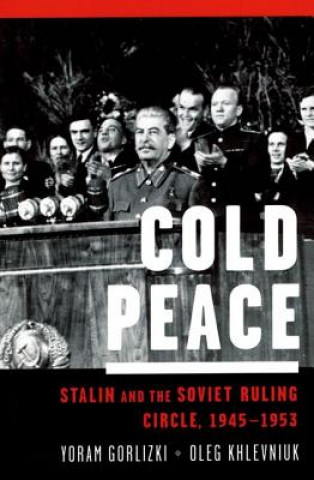
Following his country's victory over Nazi Germany, Joseph Stalin was widely hailed as a great wartime leader and international statesman. Unchallenged on the domestic front, he headed one of the most powerful nations in the world. Yet, in the period from the end of World War II until his death, Stalin remained a man possessed by his fears. In order to reinforce his despotic rule in the face of old age and uncertain health, he habitually humiliated and terrorized members of his inner circle. He had their telephones bugged and even forced his deputy, Viacheslav Molotov, to betray his own spouse as a token of his allegiance. Often dismissed as paranoid and irrational, Stalin's behavior followed a clear political logic, contend Yoram Gorlizki and Oleg Khlevniuk. Stalin's consistent and overriding goal after the war was to consolidate the Soviet Union's status as a superpower and, in the face of growing decrepitude, to maintain his own hold as leader of that power. To that end, he fashioned a system of leadership that was at once patrimonial-repressive and quite modern. While maintaining informal relations based on personal loyalty at the apex of the system, in the postwar period Stalin also vested authority in committees, elevated younger specialists, and initiated key institutional innovations with lasting consequences. Close scrutiny of Stalin's relationships with his most intimate colleagues also shows how, in the teeth of periodic persecution, Stalin's deputies cultivated informal norms and mutual understandings which provided the foundations for collective rule after his death. Based on newly released archival documents, including personal correspondence, drafts of Central Committee paperwork, new memoirs, and interviews with former functionaries and the families of Politburo members, this book will appeal to all those interested in Soviet history, political history, and the lives of dictators.


Informationen zum Buch
Englisch
Kategorie

Verschenken Sie dieses Buch noch heute
Es ist ganz einfach
1 Legen Sie das Buch in Ihren Warenkorb und wählen Sie den Versand als Geschenk 2 Wir schicken Ihnen umgehend einen Gutschein 3 Das Buch wird an die Adresse des beschenkten Empfängers geliefertDas könnte Sie auch interessieren























Hallo! Ich bin Libroamiko, dein Buchberater.
Wie kann ich dir helfen?