
Werden Sie Teil einer Gemeinschaft von Buchliebhabern aus der ganzen Welt und erhalten Sie eine Reihe von Vorteilen.
Konto kostenlos anlegen
Kostenloser Versand mit Zásilkovna ab 69.99 €
DHL-Kurier 9.99 €
Elta-Stelle 3.99 €
Elta 4.49 €
ACS 4.99 €
Box Now 3.99 €
ACS-Stelle 3.99 €
 Kontakt
 Wie einkaufen
Hilfe
Versand
DHL-Kurier 9.99 €
Elta-Stelle 3.99 €
Elta 4.49 €
ACS 4.99 €
Box Now 3.99 €
ACS-Stelle 3.99 €
Kostenloser Versand mit Zásilkovna ab 69.99 €
Kaufberater
Wir sind für Sie da!
210 2602819
Mein Konto
▸
Leer :-(
0
Sprache
 Englisch
Englisch
Buch
Broschur
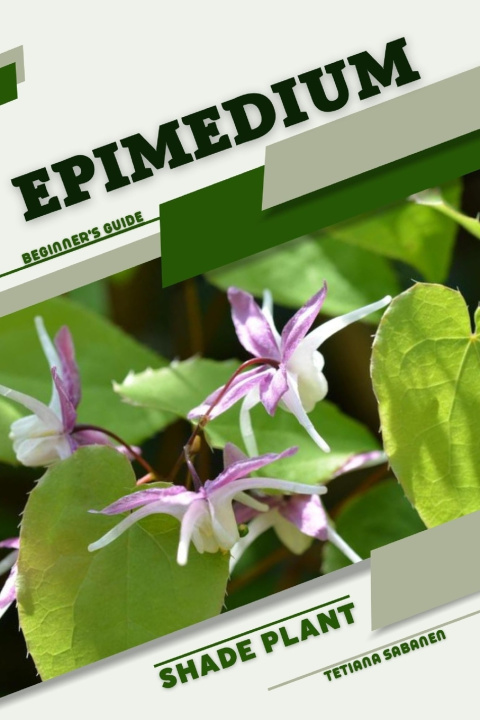
Shade plants, also known as shade-tolerant or shade-loving plants, have evolved a suite of adaptatio...
Vollständige Beschreibung
Libristo-Code: 51085090
?
 49 b
49 b
49 b
20.32
€
Externes Lager
Wir versenden in 14-21 Tagen
 Lieferung in Griechenland
Lieferung in Griechenland
Bis zu 30 Tage Rückgaberecht
Das könnte Sie auch interessieren


Shade plants, also known as shade-tolerant or shade-loving plants, have evolved a suite of adaptations that allow them to thrive in environments characterized by reduced light intensity. These plants have developed various strategies to capture and utilize available light energy efficiently. We will explore the key features and mechanisms employed by shade plants to successfully adapt to low-light conditions.
- Light Harvesting Structures:
- Light-Absorbing Pigments:
- Low-Light Photosynthetic Mechanisms:
- Light-Avoidance Responses:
- Nutrient Efficiency:
- Adaptive Morphology:
- Understory and Forest Floor Ecology:
- Tolerance to Low Light Stress:
In conclusion, shade plants have evolved a range of adaptations at the structural, physiological, and ecological levels to thrive in low-light environments. These adaptations allow them to efficiently capture, utilize, and compete for available light, ensuring their survival and growth in shaded habitats.
So, this book will tech you how to grow this plant, Scroll up and get new knowledge
Schauspielerin
&
Polyglotte
EWA KASP
für
Video abspielen


Libristo bietet die größte Auswahl an fremdsprachiger Literatur an. Deshalb kaufe ich meine Bücher hier ein.
Informationen zum Buch
Vollständiger Name
Epimedium
Autor
Tetiana Sabanen
Sprache
Englisch
Englisch
Einband
Buch - Broschur
Datum der Veröffentlichung
2023
Anzahl der Seiten
90
EAN
9798860939899
Libristo-Code
51085090
Verlag
Independently published
Gewicht
134
Abmessungen
152 x 229 x 5

Verschenken Sie dieses Buch noch heute
Es ist ganz einfach
1 Legen Sie das Buch in Ihren Warenkorb und wählen Sie den Versand als Geschenk 2 Wir schicken Ihnen umgehend einen Gutschein 3 Das Buch wird an die Adresse des beschenkten Empfängers geliefert
Buchberater Libroamiko
Durch die Nutzung dieses Chats kommunizieren Sie mit generativer künstlicher Intelligenz. Mit der Nutzung erklären Sie sich auch mit der Verarbeitung personenbezogener Daten einverstanden.
Hallo! Ich bin Libroamiko, dein Buchberater.
Wie kann ich dir helfen?
Hallo, ich bin Libroamiko, kann ich helfen?