
 Kontakt
 Wie einkaufen
Versand
Kaufberater
 Spanisch
 36 b
36 b
 Lieferung in Griechenland
Bis zu 30 Tage Rückgaberecht

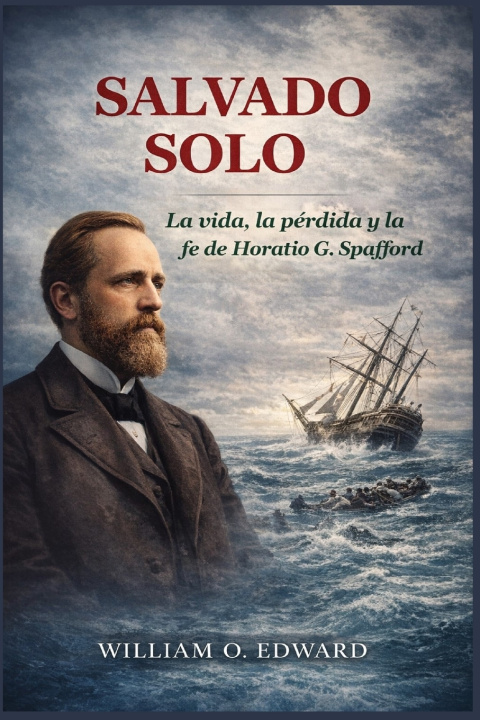
In 1871, the Great Chicago Fire reduced a thriving city to ashes-and with it, the financial security of a successful lawyer named Horatio Spafford. What followed was not a single tragedy, but a slow unraveling of certainty, comfort, and unquestioned faith. Within two years, the Atlantic Ocean would claim what the fire could not: Spafford's four young daughters, lost when the steamship Ville du Havre sank after a violent collision in the dark. Only his wife, Anna, survived.
This book traces the human story behind one of the most beloved hymns in Christian history, It Is Well With My Soul. Rather than offering sentimental inspiration, it walks carefully through grief as it is actually lived-confusing, isolating, faith-shaking, and often wordless. From the ruins of Chicago to the cold waters of the Atlantic, from a brief telegram reading "Saved alone" to the long silence that followed, this narrative explores what remains when explanations fail and easy theology collapses.
Through historical reconstruction, primary sources, and careful reflection, the story follows Horatio and Anna Spafford across continents and seasons of loss. It examines the quiet endurance of a man whose suffering unfolded largely unseen, the resilience of a mother forced to keep living after unimaginable loss, and the fragile faith that survived not because answers were found-but because honesty was chosen.
Readers are taken aboard the Ville du Havre, into the twelve minutes in which lives were lost, and into the aftermath: the shock, the unanswered questions, and the long journey back across the Atlantic. We follow Horatio as he stands over the place where his daughters died, and later, as he writes words that do not deny sorrow but speak through it. The hymn that emerged was not born of peace that feels peaceful, but of trust without explanation, obedience without comfort, and surrender without understanding.
The book also explores the lasting legacy of this grief-shaped faith-through the music of Philip Bliss, through generations who would sing the hymn at gravesides, hospital beds, and moments of quiet despair, borrowing another man's faith when their own feels thin. It asks why these words endure, and why they continue to resonate with those who are still waiting for healing that has not come.
This is a story for readers who are weary of platitudes, who know that faith does not erase pain, and who are searching for language honest enough to hold both grief and hope at the same time. It offers no shortcuts through suffering, but it offers companionship-proof that peace is not the absence of sorrow, but the decision to remain when sorrow does not leave.
Rooted in history, shaped by loss, and written with reverence for those who suffer quietly, this book invites readers to consider a deeper, harder, and more human understanding of faith-one that can stand, trembling if necessary, in the ashes.


Informationen zum Buch
Spanisch

Verschenken Sie dieses Buch noch heute
Es ist ganz einfach
1 Legen Sie das Buch in Ihren Warenkorb und wählen Sie den Versand als Geschenk 2 Wir schicken Ihnen umgehend einen Gutschein 3 Das Buch wird an die Adresse des beschenkten Empfängers geliefertHallo! Ich bin Libroamiko, dein Buchberater.
Wie kann ich dir helfen?