
 Επικοινωνία
 Πώς να κάνετε αγορές;
Παράδοση
Οδηγός αγορών
 Αγγλική
 62 b
62 b
 Παράδοση στην Ελλάδα
30 ημέρες για την επιστροφή των προϊόντων

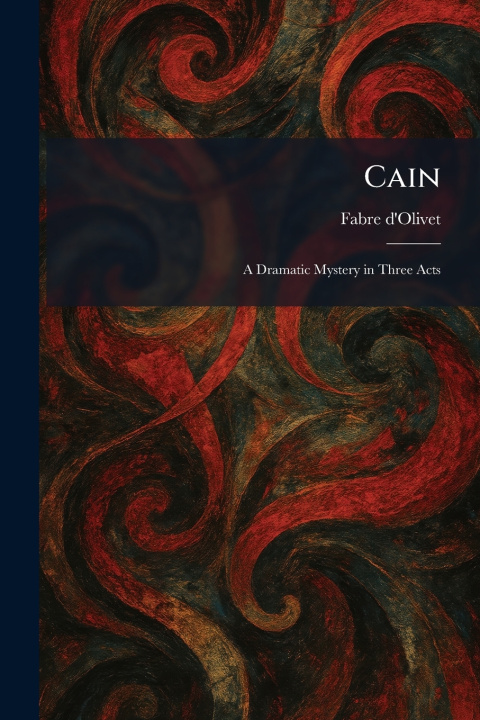
"Cain: A Dramatic Mystery in Three Acts" is a profound philosophical and dramatic exploration of the biblical narrative of the first fratricide. Written by the French polymath and occultist Fabre d'Olivet, this work serves as both a compelling dramatic piece and an esoteric commentary on the nature of existence. It engages deeply with themes of good and evil, the nature of divinity, and the existential struggle of humanity in the wake of the Fall.
The narrative follows Cain as he grapples with disillusionment and the influence of Lucifer, leading to a tragic confrontation with his brother, Abel. D'Olivet utilizes the framework of the biblical mythos to weave in his own unique metaphysical theories, drawing from Hermeticism and ancient traditions to provide a spiritual depth that transcends traditional theology. The work is not merely a retelling of Genesis but a complex investigation into the origins of human suffering and the duality of the soul.
This work represents a significant contribution to 19th-century thought, bridging the gap between classical drama and mystical philosophy. It remains a vital text for those interested in the intersections of religious literature, occult history, and the evolution of dramatic form. Through its lyrical prose and dense intellectual inquiry, "Cain: A Dramatic Mystery in Three Acts" offers a hauntingly beautiful reflection on the first shadows cast upon the human condition.
This work has been selected by scholars as being culturally important, and is part of the knowledge base of civilization as we know it. This work was reproduced from the original artifact, and remains as true to the original work as possible. Therefore, you may see the original copyright references, library stamps (as most of these works have been housed in our most important libraries around the world), and other notations in the work.
This work is in the public domain in the United States of America, and possibly other nations. Within the United States, you may freely copy and distribute this work, as no entity (individual or corporate) has a copyright on the body of the work.
As a reproduction of a historical artifact, this work may contain missing or blurred pages, poor pictures, errant marks, etc. Scholars believe, and we concur, that this work is important enough to be preserved, reproduced, and made generally available to the public. We appreciate your support of the preservation process, and thank you for being an important part of keeping this knowledge alive and relevant.


Πληροφορίες για το βιβλίο
Αγγλική
