
 Επικοινωνία
 Πώς να κάνετε αγορές;
Παράδοση
Οδηγός αγορών
 Αγγλική
 305 b
305 b
 Παράδοση στην Ελλάδα
Έως 30 ημέρες για επιστροφή
Οι πελάτες αγόρασαν επίσης



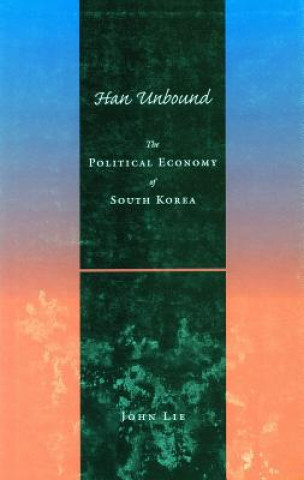
This text reveals how South Korea was transformed from one of the poorest and most agrarian countries in the world in the 1950s to one of the richest and most industrialized states by the late 1980s. The author argues that South Korea s economic, cultural, and political development was the product of a unique set of historical circumstances that cannot be replicated elsewhere, and that only by ignoring the costs and negative consequences of development can South Korea s transformation be described as an unqualified success. The historical circumstances include a thoroughgoing land reform that forced children of former landlords to move to the cities to make their fortunes, a very low-paid labor force, and the threat from North Korea and the consequent American presence. The costs of development included the exploitation of labor (as late as 1986, South Korean factory workers had the longest hours in the world and earned less than their counterparts in Mexico and Brazil), undemocratic politics, and despoliation of the environment. The title of the book suggests the ambivalence of South Korean development: Han refers both to South Korea (Han guk) and to the cultural expression of resentment or dissatisfaction (han).


Πληροφορίες για το βιβλίο
Αγγλική

Χαρίστε αυτό το βιβλίο σήμερα
Είναι εύκολο
1 Προσθέστε το βιβλίο στο καλάθι σας και επιλέξτε παράδοση ως δώρο 2 Ως ανταμοιβή θα σας στείλουμε ένα κουπόνι 3 Το βιβλίο θα φτάσει στη διεύθυνση του παραλήπτηΜπορεί να σας ενδιαφέρει



Γεια σας! Είμαι ο Libroamiko, ο σύμβουλος βιβλίων σας.
Πώς μπορώ να σας βοηθήσω;