Επικοινωνία
 Πώς να κάνετε αγορές;
Παράδοση
Οδηγός αγορών
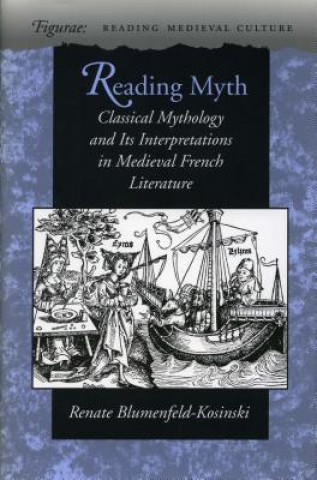
Reading Myth
Classical Mythology and Its Interpretations in Medieval French Literature
 Αγγλική
 236 b
236 b
 Παράδοση στην Ελλάδα
30 ημέρες για την επιστροφή των προϊόντων
Οι πελάτες αγόρασαν επίσης



 /
/
 Χαρτόδετο
 39.20
€
39.20
€







 /
Χαρτόδετο
18.08
€
/
Χαρτόδετο
18.08
€







This work explores the appropriation and transformation of classical mythology by French culture from the mid-twelfth century to about 1430. Each of the five chapters focuses on a specific moment in this process and asks: What were the purposes of transforming classical myth? Which techniques did poets use to integrate classical subject matter into their own texts? Was a special interpretive tradition created for vernacular texts? In Chapter 1, the author shows how Latin epic texts were reoriented for political purposes in the twelfth-century Anglo-Norman realm, gaining new depth by the addition of Ovidian elements that evoked threats of a disorder different from the struggles of classical epic. Chapter 2 analyzes the complex use of myth in the thirteenth-century Roman de la Rose, which offers new conjunctions and interpretations of myths related to language, artistic expression, and sexuality. Chapter 3 focuses on the interpretive techniques and vocabulary of the fourteenth-century Ovide moralisZ, such as allegory, fable, and istoire, arguing that the Christianization of the Metamorphoses created a new Ovid in the form of a fourteenth-century friar.


Πληροφορίες για το βιβλίο
Αγγλική

Χαρίστε αυτό το βιβλίο σήμερα
Είναι εύκολο
1 Προσθέστε το βιβλίο στο καλάθι σας και επιλέξτε παράδοση ως δώρο 2 Ως ανταμοιβή θα σας στείλουμε ένα κουπόνι 3 Το βιβλίο θα φτάσει στη διεύθυνση του παραλήπτηΜπορεί να σας ενδιαφέρει












 /
Σκληρόδετο
28.28
€
/
Σκληρόδετο
28.28
€











 /
Σκληρόδετο
139.34
€
/
Σκληρόδετο
139.34
€