
 Επικοινωνία
 Πώς να κάνετε αγορές;
Παράδοση
Οδηγός αγορών
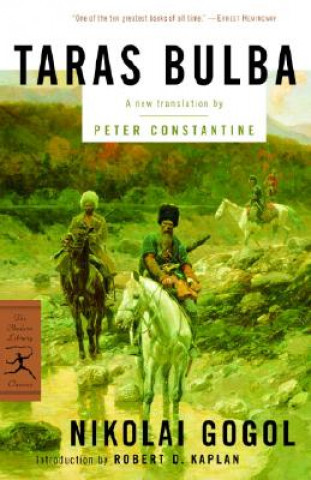
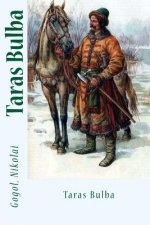
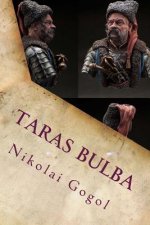
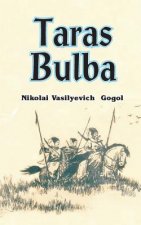
Taras Bulba
 Αγγλική
 36 b
36 b
 Παράδοση στην Ελλάδα
Έως 30 ημέρες για επιστροφή
Οι πελάτες αγόρασαν επίσης


















 /
/
 Σκληρόδετο
 43.26
€
43.26
€








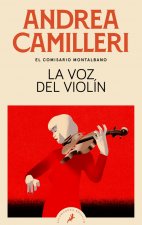

The First New Translation in Forty Years Set sometime between the mid-sixteenth and early-seventeenth century, Gogol's epic tale recounts both a bloody Cossack revolt against the Poles (led by the bold Taras Bulba of Ukrainian folk mythology) and the trials of Taras Bulba's two sons. As Robert Kaplan writes in his Introduction, "["Taras Bulba] has a Kiplingesque gusto . . . that makes it a pleasure to read, but central to its theme is an unredemptive, darkly evil violence that is far beyond anything that Kipling ever touched on. We need more works like "Taras Bulba to better understand the emotional wellsprings of the threat we face today in places like the Middle East and Central Asia." And the critic John Cournos has noted, "A clue to all Russian realism may be found in a Russian critic's observation about Gogol: 'Seldom has nature created a man so romantic in bent, yet so masterly in portraying all that is unromantic in life.' But this statement does not cover the whole ground, for it is easy to see in almost all of Gogol's work his 'free Cossack soul' trying to break through the shell of sordid today like some ancient demon, essentially Dionysian. So that his works, true though they are to our life, are at once a reproach, a protest, and a challenge, ever calling for joy, ancient joy, that is no more with us. And they have all the joy and sadness of the Ukrainian songs he loved so much." "From the Hardcover edition.


Πληροφορίες για το βιβλίο
Αγγλική

Χαρίστε αυτό το βιβλίο σήμερα
Είναι εύκολο
1 Προσθέστε το βιβλίο στο καλάθι σας και επιλέξτε παράδοση ως δώρο 2 Ως ανταμοιβή θα σας στείλουμε ένα κουπόνι 3 Το βιβλίο θα φτάσει στη διεύθυνση του παραλήπτηΜπορεί να σας ενδιαφέρει













 /
Χαρτόδετο
10.78
€
/
Χαρτόδετο
10.78
€




Γεια σας! Είμαι ο Libroamiko, ο σύμβουλος βιβλίων σας.
Πώς μπορώ να σας βοηθήσω;